A Beginner’s Guide to Ordering Custom Shirts for Events and Fundraisers
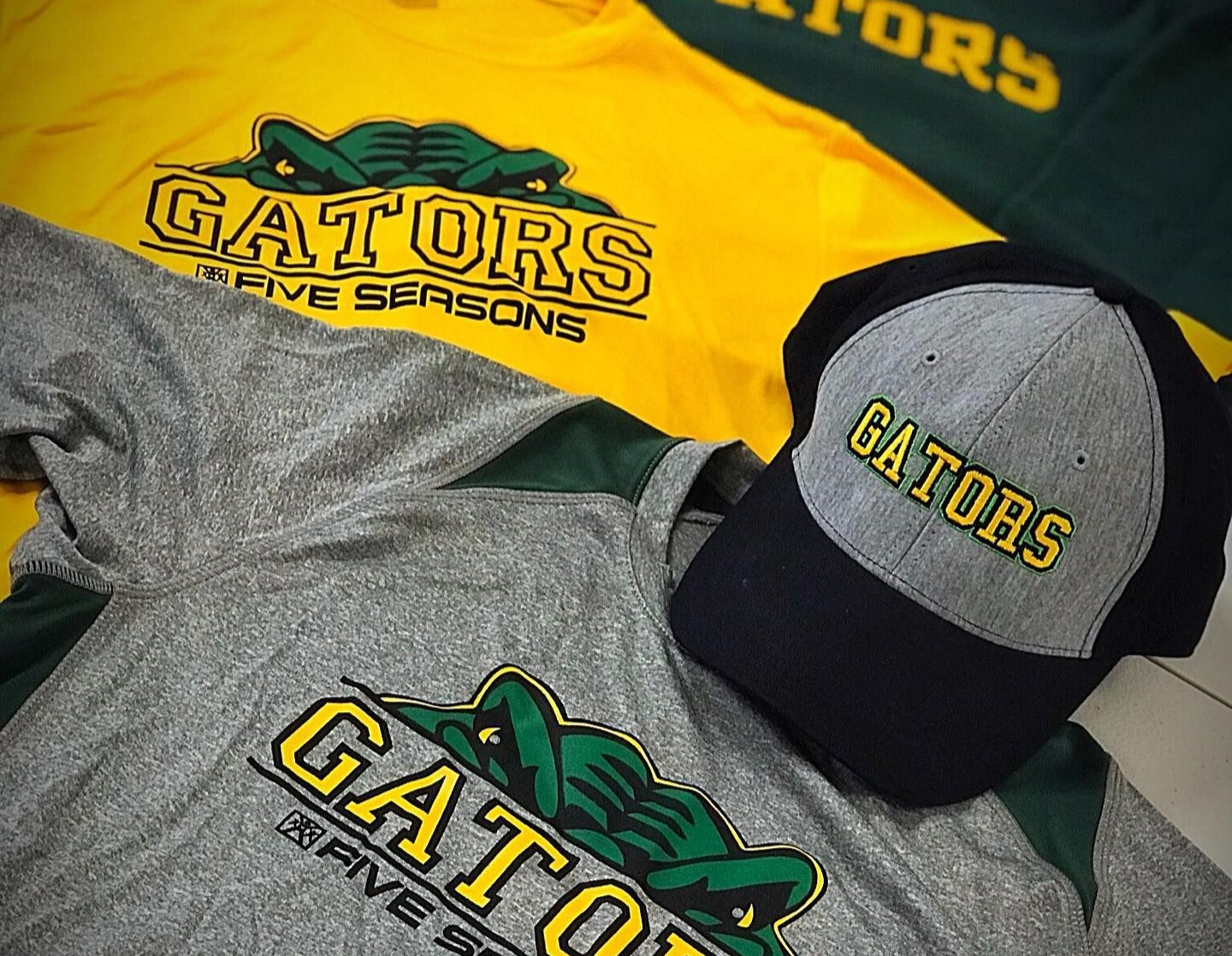
QUICKANSWER: Ordering custom shirts for an event or fundraiser comes down to a few clear decisions: what the shirt is for, how many you need and in which sizes, which decoration method fits the design, what garment to print on, and how far ahead to order. Screen printing suits large runs with simple designs, embroidery gives polos and hats a polished look, and heat transfer or vinyl handles full-color art and smaller quantities. Plan on placing the order two to three weeks before you need the shirts, and gather everyone's sizes early. Nail those pieces and the rest is smooth.
The team roster is finalized, the fundraiser date is on the calendar, and someone has volunteered you to handle the shirts. If you have never ordered custom apparel before, the number of choices can feel like a lot at once: cotton or blend, screen print or embroidery, how many mediums, what sizes, and when it all has to be ready. None of it is complicated once you take the decisions in order. This guide walks a first-time organizer through each step so the shirts show up looking right and on time.
Before any design talk, get clear on what the shirt is doing and who is wearing it. A shirt handed out at a one-day charity walk has a different job than a keepsake sold to raise money, and a team uniform is different again from a volunteer shirt meant to make staff easy to spot.
For an event. Think about visibility and comfort. Volunteer and staff shirts usually want a bold, easy-to-read design and a color that stands out in a crowd. Comfort matters if people are wearing them all day.
For a fundraiser. The shirt is often the product, so it needs to be something people actually want to wear again after the event. A clean, appealing design and a comfortable garment do more for repeat support than a busy layout nobody reaches for twice.
Before any design talk, get clear on what the shirt is doing and who is wearing it. A shirt handed out at a one-day charity walk has a different job than a keepsake sold to raise money, and a team uniform is different again from a volunteer shirt meant to make staff easy to spot.
For an event. Think about visibility and comfort. Volunteer and staff shirts usually want a bold, easy-to-read design and a color that stands out in a crowd. Comfort matters if people are wearing them all day.
For a fundraiser. The shirt is often the product, so it needs to be something people actually want to wear again after the event. A clean, appealing design and a comfortable garment do more for repeat support than a busy layout nobody reaches for twice.
Step 1: Start With the Purpose and the Crowd
Step 1: Start With the Purpose and the Crowd
Before any design talk, get clear on what the shirt is doing and who is wearing it. A shirt handed out at a one-day charity walk has a different job than a keepsake sold to raise money, and a team uniform is different again from a volunteer shirt meant to make staff easy to spot.
For an event. Think about visibility and comfort. Volunteer and staff shirts usually want a bold, easy-to-read design and a color that stands out in a crowd. Comfort matters if people are wearing them all day.
For a fundraiser. The shirt is often the product, so it needs to be something people actually want to wear again after the event. A clean, appealing design and a comfortable garment do more for repeat support than a busy layout nobody reaches for twice.
Before any design talk, get clear on what the shirt is doing and who is wearing it. A shirt handed out at a one-day charity walk has a different job than a keepsake sold to raise money, and a team uniform is different again from a volunteer shirt meant to make staff easy to spot.
For an event. Think about visibility and comfort. Volunteer and staff shirts usually want a bold, easy-to-read design and a color that stands out in a crowd. Comfort matters if people are wearing them all day.
For a fundraiser. The shirt is often the product, so it needs to be something people actually want to wear again after the event. A clean, appealing design and a comfortable garment do more for repeat support than a busy layout nobody reaches for twice.
Before any design talk, get clear on what the shirt is doing and who is wearing it. A shirt handed out at a one-day charity walk has a different job than a keepsake sold to raise money, and a team uniform is different again from a volunteer shirt meant to make staff easy to spot.
For an event. Think about visibility and comfort. Volunteer and staff shirts usually want a bold, easy-to-read design and a color that stands out in a crowd. Comfort matters if people are wearing them all day.
For a fundraiser. The shirt is often the product, so it needs to be something people actually want to wear again after the event. A clean, appealing design and a comfortable garment do more for repeat support than a busy layout nobody reaches for twice.
Step 1: Start With the Purpose and the Crowd
Step 2: Figure Out Quantity and Gather Sizes
Count heads, then add a margin. Estimate how many shirts you need, then order a few extra in the most common sizes. Latecomers, last-minute sign-ups, and the occasional printing reject are normal, and a small buffer saves a scramble later.
Collect sizes early. This is the step most first-timers underestimate. Chasing down individual sizes after the order is placed causes delays. Send a simple sign-up sheet or online form ahead of time and give people a firm deadline to respond.
Tip: Build your size run from real responses, not guesses. An easy online form that lets each person pick their own size and cut removes the back-and-forth and gives you an accurate count before you order.
Before any design talk, get clear on what the shirt is doing and who is wearing it. A shirt handed out at a one-day charity walk has a different job than a keepsake sold to raise money, and a team uniform is different again from a volunteer shirt meant to make staff easy to spot.
For an event. Think about visibility and comfort. Volunteer and staff shirts usually want a bold, easy-to-read design and a color that stands out in a crowd. Comfort matters if people are wearing them all day.
For a fundraiser. The shirt is often the product, so it needs to be something people actually want to wear again after the event. A clean, appealing design and a comfortable garment do more for repeat support than a busy layout nobody reaches for twice.
Before any design talk, get clear on what the shirt is doing and who is wearing it. A shirt handed out at a one-day charity walk has a different job than a keepsake sold to raise money, and a team uniform is different again from a volunteer shirt meant to make staff easy to spot.
For an event. Think about visibility and comfort. Volunteer and staff shirts usually want a bold, easy-to-read design and a color that stands out in a crowd. Comfort matters if people are wearing them all day.
For a fundraiser. The shirt is often the product, so it needs to be something people actually want to wear again after the event. A clean, appealing design and a comfortable garment do more for repeat support than a busy layout nobody reaches for twice.
Step 1: Start With the Purpose and the Crowd
Step 3: Choose the Right Decoration Method
The method you pick shapes how the design looks, how it holds up, and which garments work best. Each has a sweet spot.
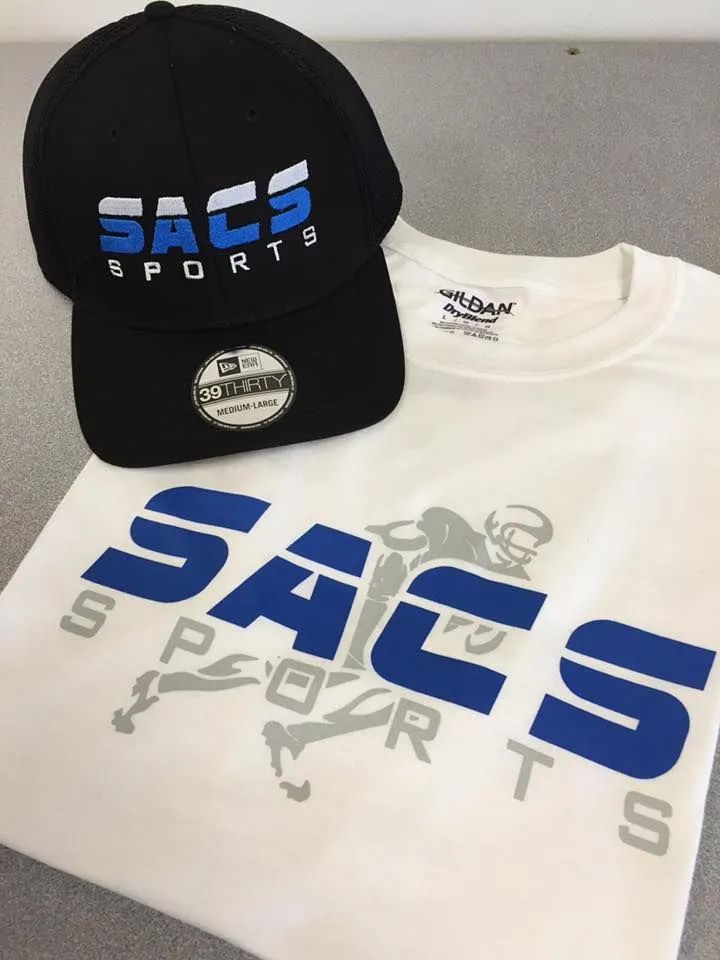
Screen printing. Ink is pushed through a stencil onto the fabric. It is the workhorse for larger orders with a relatively simple design and a limited number of colors. Prints are durable and look crisp, and the method is well suited to the bulk t-shirt runs that events and fundraisers usually call for.
Embroidery. The design is stitched into the fabric with thread. It gives a raised, high-end look that suits polos, hats, jackets, and staff apparel. Embroidery is ideal for logos and text rather than large, detailed images, and it wears extremely well over time.
Heat transfer and vinyl. A design is applied to the fabric with heat and pressure. These methods handle full-color artwork, photographic detail, and small quantities that would not make sense for screen printing. They are a strong fit when you only need a handful of items or a design with many colors.
The right choice depends on your fabric, the detail in your design, and how many shirts you are ordering. A good printer will walk you through which method flatters your specific artwork, so bring your design ideas to that conversation.
Before any design talk, get clear on what the shirt is doing and who is wearing it. A shirt handed out at a one-day charity walk has a different job than a keepsake sold to raise money, and a team uniform is different again from a volunteer shirt meant to make staff easy to spot.
For an event. Think about visibility and comfort. Volunteer and staff shirts usually want a bold, easy-to-read design and a color that stands out in a crowd. Comfort matters if people are wearing them all day.
For a fundraiser. The shirt is often the product, so it needs to be something people actually want to wear again after the event. A clean, appealing design and a comfortable garment do more for repeat support than a busy layout nobody reaches for twice.
Before any design talk, get clear on what the shirt is doing and who is wearing it. A shirt handed out at a one-day charity walk has a different job than a keepsake sold to raise money, and a team uniform is different again from a volunteer shirt meant to make staff easy to spot.
For an event. Think about visibility and comfort. Volunteer and staff shirts usually want a bold, easy-to-read design and a color that stands out in a crowd. Comfort matters if people are wearing them all day.
For a fundraiser. The shirt is often the product, so it needs to be something people actually want to wear again after the event. A clean, appealing design and a comfortable garment do more for repeat support than a busy layout nobody reaches for twice.
Step 1: Start With the Purpose and the Crowd
Step 4: Pick the Garment
Style. T-shirts are the default for events and fundraisers because they are comfortable and broadly appealing. Hoodies and long sleeves suit cooler-weather events, and polos read more professional for staff or sponsors.
Fabric. Cotton is soft and prints beautifully, blends resist wrinkling and shrinking, and moisture-wicking performance fabrics suit athletic events. The decoration method and the fabric work together, so it helps to settle the garment and the method side by side.
Fit and cut. Offering a few cut options, such as unisex, women's, and youth sizes, makes a group order more comfortable for everyone. The design stays the same across cuts, so you keep a consistent look while accommodating different bodies.
Before any design talk, get clear on what the shirt is doing and who is wearing it. A shirt handed out at a one-day charity walk has a different job than a keepsake sold to raise money, and a team uniform is different again from a volunteer shirt meant to make staff easy to spot.
For an event. Think about visibility and comfort. Volunteer and staff shirts usually want a bold, easy-to-read design and a color that stands out in a crowd. Comfort matters if people are wearing them all day.
For a fundraiser. The shirt is often the product, so it needs to be something people actually want to wear again after the event. A clean, appealing design and a comfortable garment do more for repeat support than a busy layout nobody reaches for twice.
Before any design talk, get clear on what the shirt is doing and who is wearing it. A shirt handed out at a one-day charity walk has a different job than a keepsake sold to raise money, and a team uniform is different again from a volunteer shirt meant to make staff easy to spot.
For an event. Think about visibility and comfort. Volunteer and staff shirts usually want a bold, easy-to-read design and a color that stands out in a crowd. Comfort matters if people are wearing them all day.
For a fundraiser. The shirt is often the product, so it needs to be something people actually want to wear again after the event. A clean, appealing design and a comfortable garment do more for repeat support than a busy layout nobody reaches for twice.
Step 1: Start With the Purpose and the Crowd
Step 5: Nail the Design and Artwork
Keep it readable. The strongest event and fundraiser shirts have a clear focal point that reads from across a room. Cramming in too many elements weakens the impact. Decide what the one main message is and build around it.
Mind the colors. The number of ink colors can affect which method makes sense, and contrast between the design and the shirt color keeps everything legible. A light design on a dark shirt, or the reverse, almost always reads better than close tones.
Send usable artwork. High-resolution or vector files reproduce cleanly at any size, while a small, blurry image pulled from a website often will not. If your art is not print-ready, a printer can usually help clean it up or recreate it, so ask early rather than at the last minute.
Placement. Front chest, full back, sleeve, and left-chest logo are all common. Match the placement to the purpose: a full back works for bold event branding, while a left-chest logo suits a more understated staff look.
Before any design talk, get clear on what the shirt is doing and who is wearing it. A shirt handed out at a one-day charity walk has a different job than a keepsake sold to raise money, and a team uniform is different again from a volunteer shirt meant to make staff easy to spot.
For an event. Think about visibility and comfort. Volunteer and staff shirts usually want a bold, easy-to-read design and a color that stands out in a crowd. Comfort matters if people are wearing them all day.
For a fundraiser. The shirt is often the product, so it needs to be something people actually want to wear again after the event. A clean, appealing design and a comfortable garment do more for repeat support than a busy layout nobody reaches for twice.
Before any design talk, get clear on what the shirt is doing and who is wearing it. A shirt handed out at a one-day charity walk has a different job than a keepsake sold to raise money, and a team uniform is different again from a volunteer shirt meant to make staff easy to spot.
For an event. Think about visibility and comfort. Volunteer and staff shirts usually want a bold, easy-to-read design and a color that stands out in a crowd. Comfort matters if people are wearing them all day.
For a fundraiser. The shirt is often the product, so it needs to be something people actually want to wear again after the event. A clean, appealing design and a comfortable garment do more for repeat support than a busy layout nobody reaches for twice.
Step 1: Start With the Purpose and the Crowd
Step 6: Plan Your Timeline
Timing is where first-time orders most often go sideways. Most custom orders are completed within five to ten business days, depending on size and complexity, but that clock starts after the design is approved and sizes are locked in. Building in time for artwork approval, production, and shipping is what keeps you from cutting it close.
A safe rule is to place your order at least two to three weeks before you need the shirts in hand, and more for very large or intricate jobs. Rush service is often available for time-sensitive projects, but early planning gives you room for revisions, better material availability, and no last-minute stress.
Tip: Work backward from your event date. Note the day you need the shirts, subtract shipping and production time, then set your own internal deadline for collecting sizes and finalizing the design a week before that.
Before any design talk, get clear on what the shirt is doing and who is wearing it. A shirt handed out at a one-day charity walk has a different job than a keepsake sold to raise money, and a team uniform is different again from a volunteer shirt meant to make staff easy to spot.
For an event. Think about visibility and comfort. Volunteer and staff shirts usually want a bold, easy-to-read design and a color that stands out in a crowd. Comfort matters if people are wearing them all day.
For a fundraiser. The shirt is often the product, so it needs to be something people actually want to wear again after the event. A clean, appealing design and a comfortable garment do more for repeat support than a busy layout nobody reaches for twice.
Before any design talk, get clear on what the shirt is doing and who is wearing it. A shirt handed out at a one-day charity walk has a different job than a keepsake sold to raise money, and a team uniform is different again from a volunteer shirt meant to make staff easy to spot.
For an event. Think about visibility and comfort. Volunteer and staff shirts usually want a bold, easy-to-read design and a color that stands out in a crowd. Comfort matters if people are wearing them all day.
For a fundraiser. The shirt is often the product, so it needs to be something people actually want to wear again after the event. A clean, appealing design and a comfortable garment do more for repeat support than a busy layout nobody reaches for twice.
Step 1: Start With the Purpose and the Crowd
Step 7: Approve the Proof, Then Save It
Before anything goes into production, you should receive a proof: a preview of your design as it will appear on the shirt. Review it carefully for spelling, colors, sizing, and placement, since this is the moment to catch a mistake while it is still easy to fix. Once you sign off, the order moves forward.
After the run is done, ask the printer to keep your design on file. Fundraisers and events that repeat every year benefit enormously from this, since a saved layout means a future reorder is quick and the branding stays consistent from one year to the next.
[CTA: Start a custom apparel order for your next event or fundraiser and get help choosing the right method, garment, and design. Based in Florence, KY, owner-operated with over 20 years of experience, and shipping nationwide. Call 859-371-2458 to begin your project.]
Frequently Asked Questions
Is there a minimum order for custom shirts?
Not always. Screen printing is most practical for larger runs, but methods like heat transfer and vinyl work well for small quantities and even single items. If you only need a handful of shirts for a small event, ask about the small-run options rather than assuming you have to order in bulk.
How far in advance should I order shirts for an event?
Plan to order at least two to three weeks before you need them, and give yourself more time for large or detailed jobs. That window covers design approval, production, and shipping with room to spare. Rush service can shorten it when a deadline is tight, but early ordering is the low-stress route.
What is the difference between screen printing, embroidery, and heat transfer?
Screen printing pushes ink through a stencil and suits larger runs with simple designs. Embroidery stitches the design into the fabric for a polished, durable look that flatters polos and hats. Heat transfer and vinyl apply the design with heat and handle full-color art and smaller quantities. The best fit depends on your design, fabric, and how many you need.
Can I mix different sizes and styles in one order?
Yes. As long as the design stays the same, most orders can combine sizes and cuts, such as unisex, women's, and youth, in a single run. That flexibility is common for teams, schools, and organizations with a range of members, and it keeps your branding consistent across everyone.
Can custom shirts be shipped out of state?
Many printers ship nationwide, so you do not have to be local to place an order. Your shirts can be produced and delivered wherever your event or group is based. Confirm the shipping timeline when you order so it fits inside your two-to-three-week planning window.
Can I reorder the same design later?
Yes, and it is one of the easiest parts of the process. Once your design is on file, a repeat order can reproduce the same layout, colors, and placement without starting from scratch. This is a real time-saver for annual fundraisers, recurring events, and teams that reorder each season.
Your First Custom Shirt Order Made Simple
A custom shirt order looks daunting from the outside, yet it really comes down to a short run of decisions taken in sensible order. Once you know the shirt's purpose, have your quantities and sizes gathered, and have matched a decoration method to your design, the hardest part is behind you. Everything after that, from choosing a comfortable garment to keeping the artwork clean, follows naturally, and first-time organizers are often surprised by how manageable the whole process really becomes.
Giving yourself a two-to-three-week runway and saving the finished design for future reorders turns a one-off scramble into a repeatable, low-stress routine. That kind of guidance is exactly what an experienced local printer brings to the table. Custom Trophy / Active Edge, based in Florence, KY and owner-operated with 20
years of experience behind every job, helps first-time organizers weigh methods, garments, and artwork so the shirts arrive looking sharp and polished, and each returning event feels a little easier than the last.