How Promotional Products Can Keep Your Business Top of Mind
Quick Answer: Promotional products build brand recall when people use them repeatedly, not when they simply receive them. Choose apparel, drinkware, bags, or office items your audience will actually reach for every day, keep the branding large and legible enough to register at a glance, and match material quality to how your brand wants to be perceived. A useful item seen fifty times beats a novelty item seen once.
You've been there before: a box of branded pens, stress balls, or koozies sits half-used in a supply closet, and the rest ends up in a landfill within a month. Meanwhile, a competitor's logo shows up on your coworker's tumbler every single day at the coffee station. Same marketing category, wildly different outcome. The difference almost never comes down to budget. It comes down to whether the item earns a permanent spot in someone's routine or gets tossed in a drawer after one use.
If you're an HR manager assembling a new-hire kit, a coach outfitting a team, an office manager planning a client-appreciation gift, or a small-business owner working a trade show table, the products you choose either keep working for you long after the event ends or quietly disappear. This guide walks through how to pick items that do the former.
Why Most Promotional Items End Up in the Trash
Every giveaway table looks the same: a pile of cheap pens, keychains, and stress toys that recipients grab out of habit and forget about within the hour. These items fail for one of two reasons. Either the product has no ongoing use, or the branding is an afterthought, a tiny logo squeezed into a corner where nobody will notice it again.
Novelty items can still have a place, especially for quick trade-show foot traffic where you need something inexpensive to hand to a large volume of people. But if novelty is the whole strategy, you're paying for a moment of attention instead of weeks or months of it. The goal for most budgets should be a mix: a handful of low-cost, high-volume items for broad reach, and a smaller set of higher-quality pieces reserved for the relationships that matter most — key clients, top employees, referral partners, and returning customers.
Match the Item to How and Where People Will Actually Use It
The single biggest factor in whether a promotional product gets remembered is fit: does this item slot naturally into the recipient's day, or does it require them to go out of their way to use it?
Think through a few common use-cases:
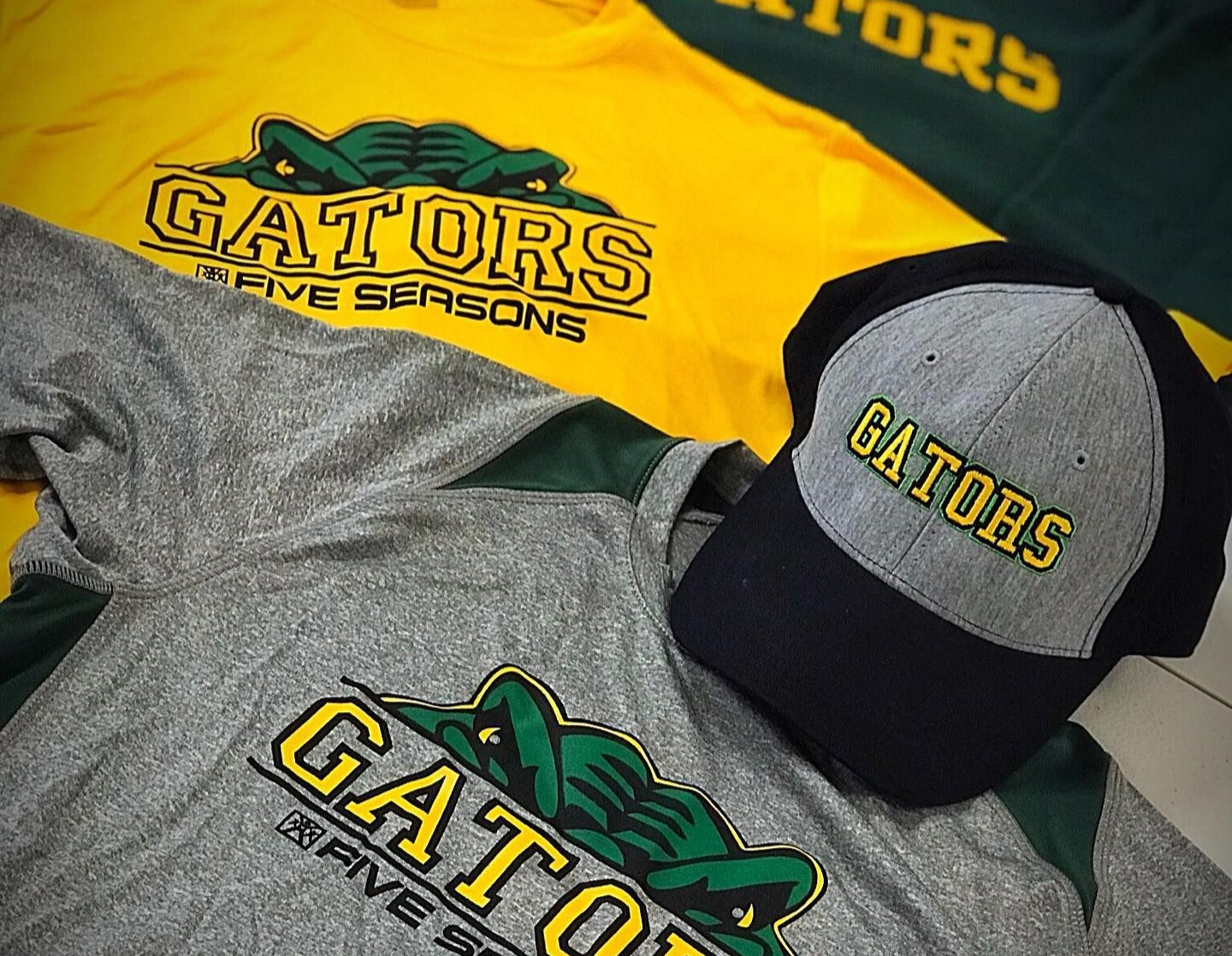
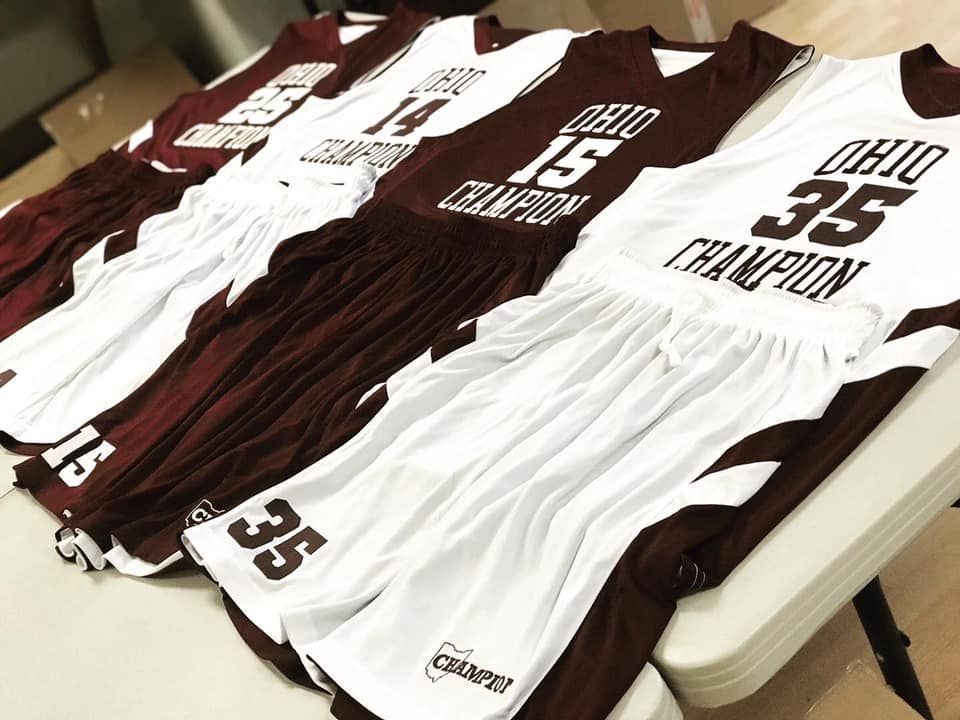
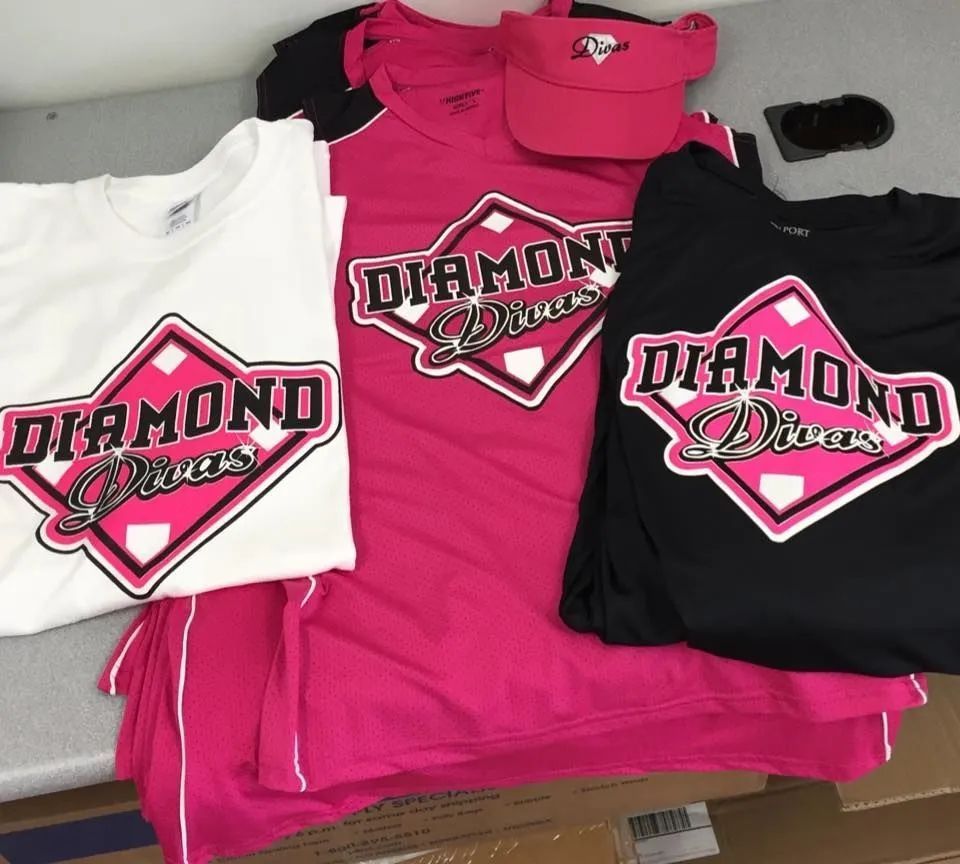
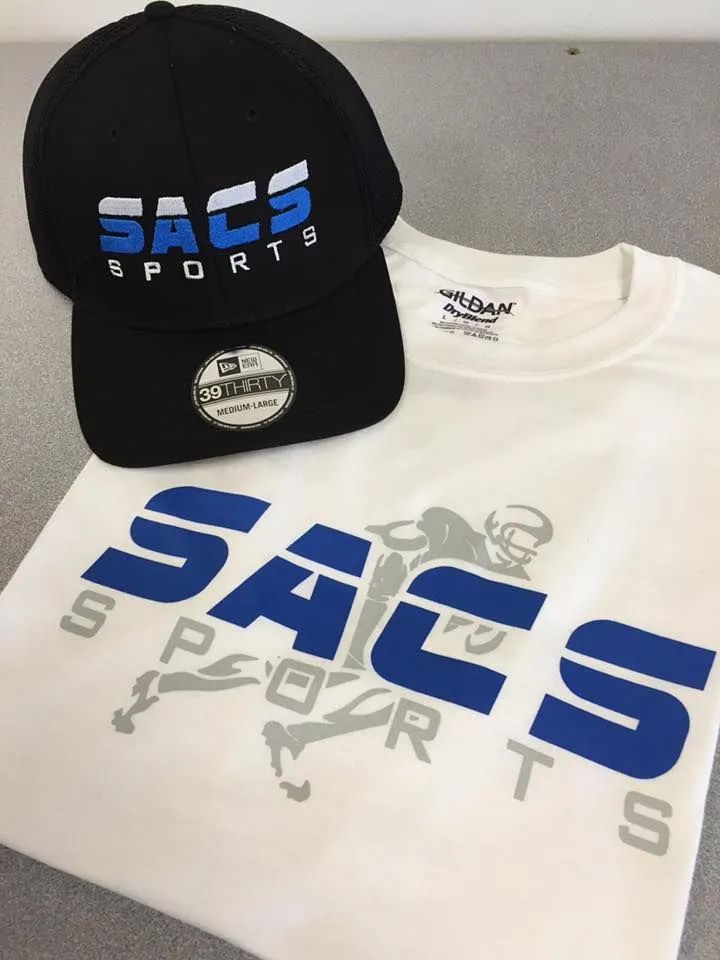
- Staff and team apparel: Polos, t-shirts, jackets, and caps decorated with screen printing or embroidery turn employees into walking advertisements every time they leave the building, run an errand, or show up at a job site. This works especially well for teams that interact with the public: retail staff, coaches on a sideline, service techs, anyone who represents your business face to face.
- Desk and office items: Pens, notebooks, mouse pads, and calendars sit in front of the recipient for months at a time. A branded calendar on a desk gets glanced at daily; a pen in a mug gets picked up dozens of times before it runs dry. These are ideal for client gifts and internal recognition because they blend into normal work life instead of feeling like an ad.
- Bags, drinkware, and everyday carry items: Tote bags, water bottles, and tumblers travel with people. To the gym. The grocery store. The office kitchen. Every trip is a fresh impression, often in front of an audience that never saw your original event or campaign.
- Event and trade-show giveaways: Lanyards, keychains, and water bottles handed out at a booth work best when the goal is volume and immediate visibility during the event itself, not necessarily long-term recall from every single recipient.
- Recognition and keepsake items: Awards, trophies, and personalized gifts operate on a completely different mechanism than a giveaway. They aren't meant to be used daily. They're meant to be displayed, and that creates its own kind of repeated exposure. A trophy on a shelf or an award on an office wall gets seen by the recipient and everyone who visits that space, for years.
Before you order anything, ask who's actually going to receive the item and what their day looks like. A warehouse crew doesn't need branded tote bags. A client's front-desk staff might not want another t-shirt. Match the product to the routine, not just the budget line.
Quality vs. Novelty: Why the Cheaper Item Often Costs You More Impressions
It's tempting to stretch a promotional budget across as many units as possible. But a flimsy item that breaks, fades, or gets thrown away after one use isn't actually cheaper. It's just a shorter-lived impression. A pen that stops writing after a week, a tote bag whose seams split on the first trip to the car, or a t-shirt that shrinks and fades after two washes all end their branding life almost immediately.
Material matters more than most buyers expect. A stainless-steel tumbler or zinc-alloy keychain reads as a premium item and tends to stay in rotation for years, while a plastic equivalent often gets replaced within a season. Fabric weight and blend affect how long a printed or embroidered logo holds its shape through repeated washing. None of this means every item needs to be top-of-the-line. A high-volume giveaway doesn't need the same build quality as a client-appreciation gift. But quality should scale with how long you want that item, and your brand, to stay in front of the recipient.
Tip: Reserve your higher-quality budget for the people you want a long-term relationship with, like clients, top performers, and referral sources, and use lower-cost items for high-volume, one-time-touch situations like a trade-show table or a community event. That split gets you both reach and staying power without overspending on either goal.
Branding Placement and Legibility: Making Sure the Logo Actually Gets Seen
A great product with poor branding execution still fails at its one job. Placement, size, and contrast determine whether a logo registers in the half-second someone glances at an item, or gets lost entirely.
A few practical rules of thumb:
- Size the logo to the viewing distance: A logo on a lapel pin or pen needs to be simple and bold since it will be seen up close and briefly. A logo on the back of a t-shirt or a tote bag has room to be more detailed because it's seen from farther away and for longer.
- Choose contrast over cleverness: A dark logo on a dark garment or a metallic imprint on a metallic tumbler can look sharp in a mockup and disappear in real light. High contrast between the imprint and the base material keeps the branding visible in everyday conditions, not just under studio lighting.
- Match the imprint method to the material: Embroidery holds up best on apparel that gets washed repeatedly, since stitched thread doesn't crack or peel the way some printed inks can. Laser engraving is the more durable option on metal drinkware and awards, since it becomes part of the material rather than sitting on top of it. Screen printing works well for bold, simple designs on apparel and bags, while full-color and dye-sublimation methods are better suited to detailed, photo-quality graphics on polyester-based items.
- Keep the message simple: A logo plus a short tagline or website is almost always more effective than a crowded design with multiple messages competing for attention. If the recipient can't identify your brand in a glance, the placement has failed regardless of how nice the artwork looks.
Getting this part right is more about restraint than creativity. The goal is instant recognition, not maximum information.
Why Repeated Everyday Exposure Beats a One-Time Giveaway
Here's the mechanism behind all of this: brand recall isn't built in a single moment. It's built through repetition. Research on advertising and promotional-item recall shows the same pattern over and over: people who encounter a brand multiple times remember far more about it than people who see it once, and that gap widens the more familiar and habitual the exposure becomes. Studies focused specifically on promotional merchandise have found that a large majority of recipients can recall both the branding and the specific company behind an item they received, often well after the original event that generated the impression is long forgotten.
That's the real advantage a well-chosen promotional product has over a one-time ad impression or a single social post: it keeps showing up. A tote bag gets seen every grocery trip. A tumbler gets seen at every coffee refill. A jacket gets seen at every job site. Each of those moments is a small, free re-exposure that a one-time giveaway or a single ad buy can't replicate on its own.
Warning: Don't confuse a large order quantity with a large number of impressions. Two hundred cheap items that get discarded within a week generate far fewer total impressions than fifty durable items that stay in daily use for a year. If your goal is recall, count expected uses per item, not just units shipped.
Choosing by Audience: Employees, Clients, Event Attendees, and Recognition Moments
Different recipients call for different strategies, even within the same order.
Employees and staff benefit most from apparel and everyday-carry items, since they're already representing your business regularly. A consistent uniform or branded jacket also builds internal culture, which is a secondary benefit worth factoring in alongside external visibility.
Clients and referral partners respond well to office items and higher-quality drinkware, things that sit on a desk or in a kitchen and get used during the workday without feeling like an obvious ad. These gifts double as a quiet reminder that you value the relationship.
Event attendees and trade-show visitors are a volume audience. Here, practical, grab-and-go items like bags, water bottles, and lanyards make sense, since your goal is broad visibility across a crowd you may only interact with once.
Recognition and milestone moments call for awards, trophies, and personalized gifts rather than everyday giveaways. These items aren't judged by how often they're used. They're judged by how meaningful they feel and how long they stay displayed. A well-chosen award for a retiring employee or a top-performing team gets seen by everyone who walks past that shelf for years afterward.
A Simple Way to Pick Promotional Items That Actually Work
Before placing your next order, run through four quick questions:
- Who is this for? Employees, clients, event attendees, and award recipients all need different products.
- How often will they realistically use or see it? Daily-use items build recall faster than one-time novelties.
- Is the branding legible at the size and distance this item will actually be viewed? If you can't tell whose logo it is from a few feet away, redesign the placement.
- Does the quality match how you want your brand perceived? A cheap item can undercut an otherwise strong brand impression, while the right item reinforces it every time it's used.
Answering these before you shop saves you from ordering a warehouse of items that look good in a catalog but never earn a second look once they're in someone's hands.
Frequently Asked Questions
Do I need a big budget to make promotional products work?
No. A smaller order of well-chosen, durable items that people actually use will outperform a larger order of items that get thrown away. Focus your resources on fit and quality before volume.
What's the best type of promotional product for a small business with a limited audience?
Everyday-carry items like drinkware, bags, or apparel tend to work well because they travel with the recipient into new environments, extending your reach beyond the original moment you handed the item over.
Should every promotional item have the same branding treatment?
Not necessarily. A quick giveaway item can use a simple one-color imprint, while a client gift or team uniform can support a more detailed, higher-quality decoration since it's meant to last and be seen up close.
How many different products should I order at once?
It's usually more effective to focus on two or three well-matched items for your specific audiences than to spread a budget thin across many different products. A focused order is easier to plan, decorate consistently, and track results from.
Can awards and recognition items really count as promotional products?
Yes. They serve a different purpose than a giveaway, but a displayed trophy or award creates the same kind of repeated, passive exposure. Anyone who sees it associates that moment of recognition with your organization long after the event itself.
Making Promotional Products Work Beyond The First Impression
The right promotional products keep your business visible by becoming part of everyday routines rather than disappearing after a single event. Durable drinkware, useful bags, apparel, office essentials, and thoughtfully chosen recognition pieces can create repeated exposure while reinforcing the quality and personality of your brand. When the product fits the recipient’s lifestyle and the branding remains clear and attractive, each use becomes another opportunity for your business to be remembered without requiring another advertising expense.
For businesses, schools, teams, and organizations in Florence, KY, Custom Trophy / Active Edge
brings more than 20
years of experience helping customers choose promotional products that balance usefulness, quality, and lasting visibility. A focused selection designed around specific audiences will usually make a stronger impression than a large assortment of inexpensive giveaways. When recipients genuinely enjoy using or displaying an item, your brand stays naturally present in their daily lives long after the original event or interaction has ended.