Engraving Options Explained: Materials, Fonts & Finishes
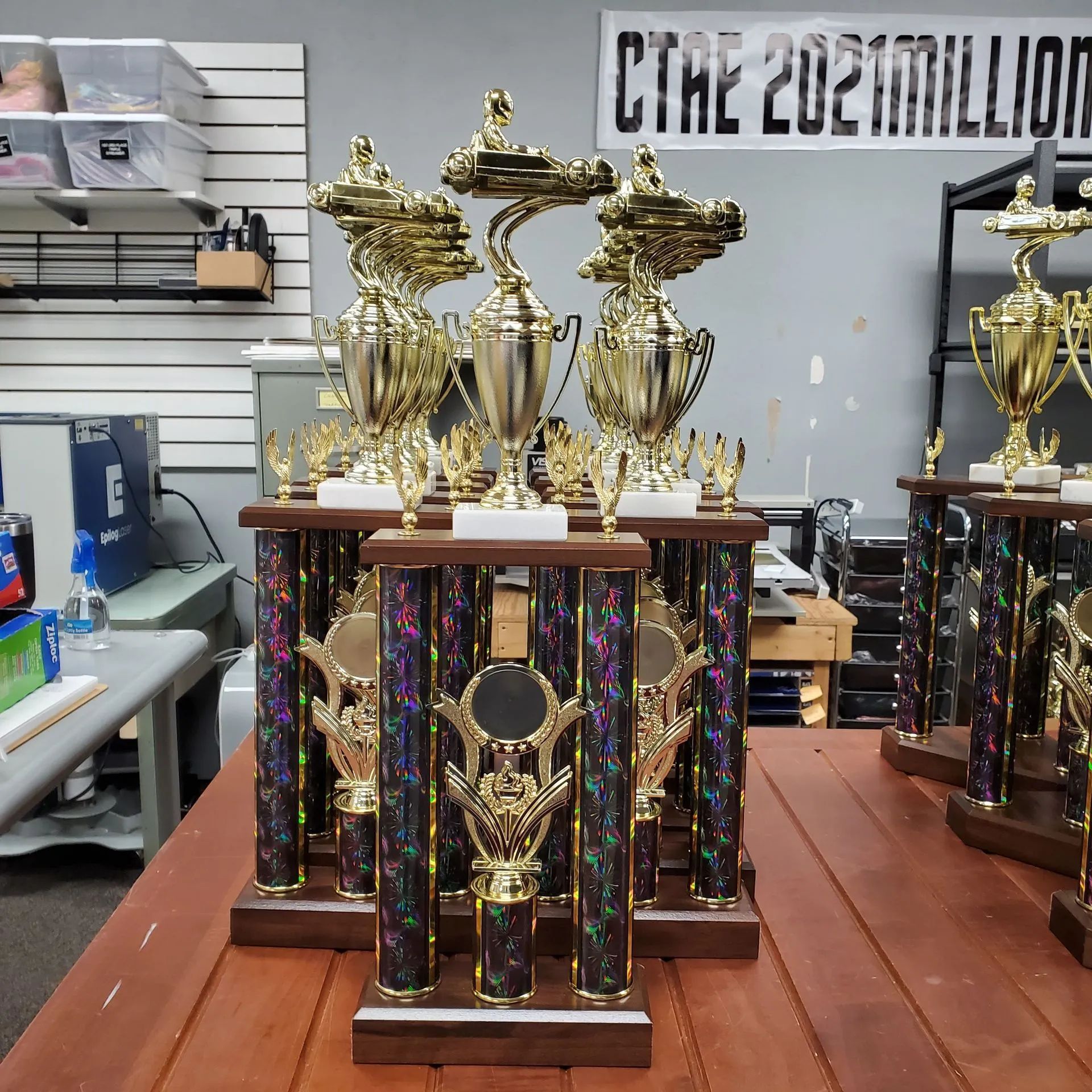
Engraving has long been a hallmark of personalization, sophistication, and professional recognition. Whether it’s a custom trophy, a corporate award, or a commemorative plaque, the right engraving can transform an object from ordinary to extraordinary. The art of engraving combines technical skill with aesthetic sensibility, enabling businesses and individuals to celebrate achievements, preserve memories, and make a lasting impression. Today, engraving is not just about etching names or dates—it encompasses a wide variety of materials, fonts, and finishes that influence both the visual appeal and durability of the final product. Beyond aesthetics, engraving also communicates value and thoughtfulness, reflecting the effort and care put into selecting the perfect design. In professional settings, it enhances brand presence and recognition, while in personal gifts, it creates keepsakes that are treasured for years.
Choosing the appropriate engraving options can be daunting without an understanding of the possibilities available. Materials range from classic metals to modern acrylics, each offering unique benefits and challenges. Fonts impact readability, style, and the overall tone of the message, while finishes determine the engraving’s longevity and visual impact. Additionally, the chosen engraving method—laser, rotary, or hand—can influence both precision and durability. As the demand for personalized and professional recognition items grows, knowing how to navigate these choices is critical. This guide provides a comprehensive look at the key engraving options, offering insights that help you make informed decisions whether you are a business seeking professional awards or an individual crafting a meaningful gift. By understanding these factors, you can ensure that every engraved piece not only meets expectations but also leaves a lasting impression.
Understanding Engraving Materials
The choice of material is foundational to the engraving process. Material selection affects not only the aesthetics but also the durability and practicality of the engraved piece. Here’s an in-depth look at popular engraving materials:
Metals
Metals are among the most traditional engraving mediums, prized for their durability and timeless appeal. Common metals include brass, aluminum, stainless steel, and sterling silver.
- Brass offers a classic, gold-like finish that is ideal for awards and plaques. It engraves cleanly and provides excellent contrast, making text and designs highly visible.
- Aluminum is lightweight, corrosion-resistant, and cost-effective, perfect for corporate badges and outdoor signage.
- Stainless Steel provides superior durability and a modern look, often used for industrial or high-traffic applications.
- Sterling Silver is luxurious and often reserved for premium awards or jewelry engraving.
Benefits: Longevity, professional look, and high contrast readability.
Challenges: Requires specialized equipment and careful handling to avoid scratches or tarnish.
Acrylics and Plastics
Acrylics offer a versatile, modern alternative to metals. Available in transparent, frosted, or colored varieties, acrylics can be engraved with lasers to produce precise, intricate designs.
Benefits: Lightweight, cost-effective, and versatile for a wide range of applications.
Challenges: Susceptible to scratches and may yellow over time with prolonged sun exposure.
Wood and Glass
Wood and glass are popular for personalized gifts and awards due to their natural elegance. Wood allows for deep engraving with a warm, organic aesthetic, while glass provides a sleek, polished finish that is ideal for etched logos and text.
Benefits: Aesthetic appeal and personalization possibilities.
Challenges: Wood is prone to warping and glass is fragile, requiring careful handling during engraving.
Expert Tip: Match the material to the purpose. For high-traffic or outdoor items, metals or acrylics are preferred, whereas glass and wood excel for decorative or commemorative purposes.
Selecting the Right Font
Fonts are a critical component of engraving because they influence readability, style, and the emotional tone of the message. Choosing the right font requires balancing aesthetics with practicality.
Serif vs. Sans-Serif
- Serif Fonts feature small decorative lines at the ends of letters, providing a traditional and formal look. Ideal for plaques, certificates, and professional awards.
- Sans-Serif Fonts are clean, modern, and highly readable, making them perfect for corporate or casual recognition items.
Script and Decorative Fonts
Script fonts mimic cursive handwriting, offering a personalized and elegant appearance. Decorative fonts can add flair but may compromise readability if overused.
Benefits: Enhances visual appeal, sets tone, aligns with branding or occasion.
Challenges: Some fonts may engrave poorly on certain materials, especially fine scripts on metals or acrylics.
Best Practices for Font Selection
- Prioritize legibility, especially for small text.
- Consider the engraving method; laser engraving accommodates intricate fonts, while rotary engraving is better for bold, simpler typefaces.
- Match font style to the occasion or purpose—formal awards benefit from serif or classic script fonts, while casual recognition can use modern sans-serif styles.
Expert Insight: Test your chosen font on the material before committing to large-scale engraving. A small sample can reveal whether the font maintains clarity and visual appeal.
Exploring Finishes and Their Impact
The finish applied to an engraved piece significantly affects its appearance, durability, and perceived value. Finishes can range from polished metals to matte coatings, each adding a unique effect.
Polished Finishes
Polished finishes create a reflective, mirror-like surface that emphasizes elegance and premium quality. Ideal for trophies, plaques, and high-end awards.
Advantages: Highlights engraving details, enhances professional look.
Drawbacks: Shows fingerprints and scratches more easily.
Matte and Brushed Finishes
Matte finishes reduce glare and provide a subtle, sophisticated aesthetic. Brushed finishes feature fine lines that give the surface texture and a modern feel.
Advantages: Hides minor scratches, easy to maintain, versatile in style.
Drawbacks: May slightly reduce contrast, making fine engraving less visible.
Painted or Filled Engravings
Some engraving processes allow the engraved areas to be filled with paint, enamel, or other materials to increase contrast. This method is common for awards, signage, and corporate recognition items.
Advantages: Improves visibility, adds color customization, increases design versatility.
Drawbacks: Fill materials may wear over time, especially on outdoor items.
Expert Tip: Match the finish to the material and the intended environment. For long-lasting outdoor awards, brushed or matte metals are often preferable, whereas polished finishes excel indoors.
Engraving Techniques and Applications
Understanding engraving techniques helps in selecting the best method for your project, as each technique interacts differently with materials, fonts, and finishes.
Laser Engraving
Laser engraving uses focused light to etch precise designs on surfaces. It works well on metals, plastics, glass, and wood.
Applications: Corporate awards, personalized gifts, industrial tags.
Advantages: High precision, versatile, can engrave complex designs.
Challenges: Requires professional equipment, may burn or melt some materials if not calibrated correctly.
Rotary Engraving
Rotary engraving uses a spinning cutting tool to remove material. It excels on metals and harder surfaces.
Applications: Nameplates, signage, trophies.
Advantages: Deep, tactile engravings; excellent for long-lasting text.
Challenges: Less effective for intricate designs compared to laser engraving.
Hand Engraving
Hand engraving is a traditional technique performed manually with precision tools. It’s ideal for unique, artistic designs and high-end personalization.
Applications: Jewelry, heirlooms, ceremonial items.
Advantages: Highly detailed, personal touch.
Challenges: Time-consuming and requires skilled artisans.
Expert Recommendation: Select the technique based on material, design complexity, and production scale. Laser engraving suits precision and mass production, rotary for durability, and hand engraving for artistic craftsmanship.
Real-World Scenarios and Decision-Making
Choosing the right combination of materials, fonts, and finishes depends on the intended use and audience.
- Corporate Recognition: Metals with polished or matte finishes, serif or sans-serif fonts, laser or rotary engraving for longevity.
- Personal Gifts: Wood or glass with script fonts and optional painted fills for contrast and personalization.
- Outdoor Signage: Durable metals with matte or brushed finishes, bold sans-serif fonts for readability, rotary or laser engraving for lasting clarity.
Best Practices: Consider environment, usage frequency, and aesthetic goals. Conducting small test engravings ensures the final product meets expectations. Engaging an experienced engraving professional can simplify choices and enhance results.
Reliable Partners for Professional Engraving and Awards
Engraving is a versatile and enduring method of personalization that combines artistry with technical precision. By understanding the interplay between materials, fonts, and finishes, you can select the optimal engraving approach for any project—whether it’s a corporate award, commemorative gift, or decorative item. Metals, acrylics, wood, and glass each bring unique benefits and challenges, while font selection and finish choices significantly influence readability, tone, and visual impact. Integrating the right engraving technique, such as laser, rotary, or hand engraving, ensures the final product aligns with both aesthetic and practical requirements. Awareness of these factors enables informed decision-making, resulting in high-quality, professional, and lasting engraved pieces.
For businesses and individuals seeking precision and quality in engraving, partnering with an experienced provider ensures exceptional outcomes. Custom Trophy / Active Edge, located in Florence, KY, brings 20 years of expertise in delivering personalized and professionally engraved awards, plaques, and recognition items. With a commitment to quality, attention to detail, and a thorough understanding of materials, fonts, and finishes, the company helps clients navigate the complexities of engraving to achieve impactful results.
Whether crafting a corporate award that embodies professionalism or a personalized gift that captures sentiment, Custom Trophy / Active Edge
combines technical skill with aesthetic insight to produce pieces that stand out. Their knowledgeable team works closely with clients to recommend materials, fonts, and finishes that balance durability, readability, and style, ensuring every engraving conveys its intended message clearly and elegantly. With two decades of experience, Custom Trophy / Active Edge
has built a reputation for trustworthiness, precision, and creative excellence, making them a reliable partner for any
engraving project.