What to Look for When Ordering Team Uniforms for a New Season?
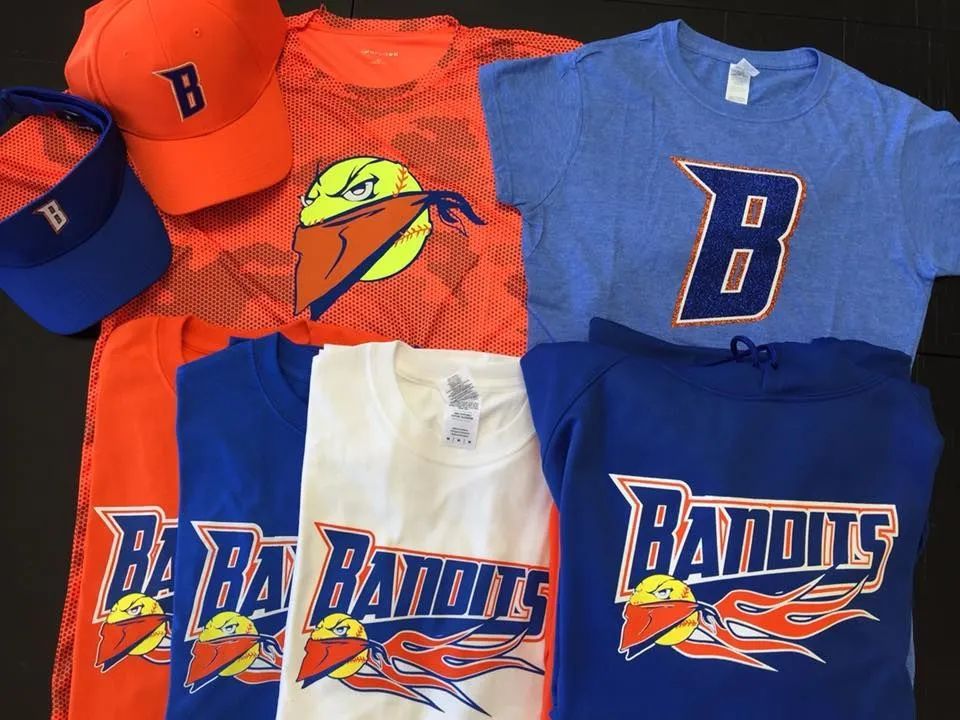
Every new sports season brings excitement, preparation, and expectations for athletes, coaches, organizations, and supporters. While training schedules, player development, and competition planning often receive the most attention, team uniforms play an equally important role in creating a professional appearance and supporting athletic performance. Uniforms represent more than matching apparel. They help build team identity, improve comfort during competition, strengthen brand recognition, and create a sense of unity among players and supporters. Choosing the right uniforms before a season begins can influence confidence, presentation, and overall organization throughout the year.
Ordering team uniforms also involves practical decisions that affect budgeting, timelines, customization quality, sizing accuracy, and long-term durability. Poor material selection, delayed production, inconsistent sizing, or low-quality printing can create unnecessary challenges during the season. Coaches, athletic directors, schools, leagues, and recreational organizations must evaluate several important factors before placing an order. Understanding what to look for during the ordering process helps avoid costly mistakes while ensuring athletes receive comfortable, durable, and visually consistent uniforms that reflect professionalism and team pride from the first game through the final competition.
Understanding Team Needs Before Ordering
Evaluating the Sport and Performance Requirements
Every sport requires different uniform features based on movement, climate, contact level, and playing conditions. Basketball uniforms require lightweight and breathable materials that support mobility and speed. Football uniforms must accommodate protective equipment while maintaining durability under physical contact. Baseball and softball uniforms often need stain-resistant fabrics that withstand repeated sliding and outdoor exposure. Soccer uniforms must provide comfort during continuous movement across long matches and changing weather conditions.
Before selecting designs or colors, organizations should evaluate the functional requirements associated with the sport. Fabric weight, stretch capability, moisture control, and ventilation all influence player comfort and performance during practices and games. Teams competing in warmer climates may prioritize breathable mesh materials, while colder environments may require layered options for outdoor competition.
Ignoring sport-specific performance requirements often leads to discomfort, restricted movement, or premature wear. Selecting uniforms based on appearance alone may create long-term problems throughout the season.
Considering Age Groups and Player Comfort
Youth teams, high school programs, adult recreational leagues, and competitive travel organizations all have different expectations regarding comfort, sizing, and durability. Younger athletes often require uniforms designed for frequent movement, easy maintenance, and growth flexibility. Competitive athletes may prioritize advanced performance fabrics and fitted designs that support mobility during gameplay.
Comfort remains one of the most important considerations when ordering uniforms. Athletes who feel restricted or uncomfortable may struggle with focus and confidence during competition. Soft materials, flexible stitching, and proper fit contribute to better overall experiences during games and practices.
Organizations should also consider whether athletes will wear uniforms for long tournament days, travel events, or indoor and outdoor competitions. These factors influence material selection and overall design decisions.
Prioritizing Fabric Quality and Durability
Choosing Materials Built for Repeated Use
Uniforms experience constant stress throughout a season. Repeated washing, outdoor exposure, intense movement, sliding, stretching, and physical contact all affect garment longevity. Low-quality materials may fade, tear, shrink, or lose shape after limited use, creating replacement costs and inconsistent team appearance.
High-performance polyester blends remain among the most popular choices for modern team uniforms because of durability, moisture resistance, and lightweight construction. Many athletic fabrics also include moisture-wicking properties that help regulate body temperature during physical activity.
Durable stitching and reinforced seams also play major roles in long-term performance. Weak seams or thin materials often fail during high-contact situations or repeated laundering cycles. Organizations ordering uniforms should ask about material specifications, garment construction, and expected wear performance before making purchasing decisions.
Balancing Comfort and Long-Term Value
Budget limitations sometimes encourage organizations to prioritize lower upfront costs over product quality. While inexpensive uniforms may appear financially attractive initially, poor durability often creates higher replacement costs later. Fading logos, cracked lettering, or torn materials can reduce professionalism and require mid-season reordering.
Investing in higher-quality uniforms often provides better long-term value through improved durability, stronger appearance retention, and greater athlete satisfaction. Organizations managing multiple teams or yearly programs benefit from apparel that maintains consistent appearance across repeated seasons.
Balancing comfort, durability, and pricing helps organizations avoid unnecessary expenses while supporting athletes throughout demanding schedules.
Selecting the Right Customization Options
Creating a Strong and Recognizable Team Identity
Uniform customization helps teams establish identity, professionalism, and recognition during competition. Logos, colors, player names, numbers, and design elements all contribute to branding and team culture. A well-designed uniform creates a unified appearance that strengthens pride among athletes and supporters.
Color selection should remain consistent with school branding, organization themes, or league recognition standards. Teams should also consider visibility during games, photography, livestreaming, and spectator viewing. Contrasting colors improve readability for numbers and player identification during competition.
Customization should enhance the overall design without overcrowding the uniform. Excessive graphics, unnecessary text, or inconsistent placement may reduce visual appeal and create printing complications.
Evaluating Printing and Embroidery Quality
Customization quality directly affects how uniforms appear throughout the season. Low-quality printing methods may crack, peel, or fade after repeated washing and outdoor exposure. Embroidery stitching can also fray or distort if improperly applied.
Organizations should understand the differences between screen printing, sublimation, heat transfer, and embroidery methods before finalizing orders. Sublimated uniforms often provide excellent durability because graphics become part of the fabric rather than sitting on the surface. Embroidery may offer premium appearance for warmups, jackets, or coaching apparel.
Reviewing samples, production examples, and previous work helps organizations evaluate consistency and craftsmanship before committing to large orders.
Managing Sizing Accuracy and Player Fit
Preventing Common Sizing Problems
Incorrect sizing remains one of the most common challenges during uniform ordering. Uniforms that fit poorly may restrict movement, reduce comfort, and create inconsistent appearance across the team. Oversized garments may interfere with athletic movement, while undersized uniforms can create discomfort during competition.
Organizations should avoid estimating sizes based solely on age or previous apparel experience. Different manufacturers use varying sizing standards, making accurate measurements essential before ordering.
Providing fitting sessions or sample sizing kits allows players to confirm proper fit before production begins. This process reduces replacement requests, delays, and unnecessary additional expenses later.
Planning for Growth and Roster Changes
Youth teams and developmental programs often face roster adjustments and player growth during the season. Ordering slightly larger youth sizes or maintaining extra inventory can help organizations accommodate mid-season needs without placing emergency orders.
Programs should also plan for replacement jerseys, additional athletes, or coaching staff apparel before finalizing production quantities. Reordering smaller quantities later may increase costs and create inconsistencies in fabric batches or color matching.
Careful planning during the sizing process helps organizations maintain consistent appearance throughout the season while reducing logistical challenges.
Understanding Production Timelines and Supplier Reliability
Ordering Early to Avoid Seasonal Delays
One of the biggest mistakes organizations make involves waiting too long to begin the ordering process. Team uniform demand increases significantly before major sports seasons, creating production backlogs and shipping delays. Last-minute ordering may limit customization options or result in incomplete deliveries before opening games.
Organizations should begin planning uniforms several months before the season starts. Early preparation allows time for design approval, size collection, customization adjustments, production scheduling, and shipping coordination.
Advance planning also provides opportunities to correct errors before competition begins. Rushed orders often increase the risk of incorrect sizing, spelling mistakes, or inconsistent customization.
Evaluating Supplier Communication and Support
Reliable communication remains essential during the ordering process. Organizations should work with suppliers that provide clear production timelines, responsive customer service, and transparent ordering procedures. Poor communication can create confusion regarding artwork approval, inventory availability, shipping schedules, or customization details.
Experienced uniform providers often guide organizations through design recommendations, material selection, and production planning while helping prevent common ordering mistakes. Strong supplier support contributes to smoother coordination and better final results.
Reviewing customer feedback, production samples, and ordering policies helps organizations evaluate supplier reliability before making purchasing commitments.
Building Stronger Team Presentation Through Better Uniform Decisions
Ordering team uniforms for a new season requires careful planning, attention to detail, and a clear understanding of athletic needs. Fabric quality, customization methods, sizing accuracy, supplier reliability, and production timelines all contribute to the final result. Uniforms influence comfort, confidence, professionalism, and team identity throughout the season, making the ordering process far more important than a simple apparel purchase. Organizations that take time to evaluate performance requirements, customization quality, and long-term durability often experience fewer problems during competition schedules. Thoughtful planning also helps reduce replacement costs, delivery delays, and sizing complications while creating a stronger and more unified appearance for athletes and supporters.
At the end of the process, working with an experienced and dependable uniform provider makes a major difference in both quality and overall experience. Custom Trophy / Active Edge
has provided athletic apparel,
custom team uniforms, and sports customization services for organizations throughout Florence, Kentucky and surrounding communities for 20
years. Our experience allows us to guide schools, leagues, recreational programs, and competitive teams through every stage of the ordering process, from design selection and sizing coordination to customization and final delivery. We focus on durable materials, professional presentation, and dependable service that supports athletes throughout every season. Our commitment to craftsmanship, communication, and long-term customer relationships continues helping teams create uniforms that reflect pride, professionalism, and lasting performance on and off the field.